Spent a few days around the 4th of July in Peaks Island, Maine.
The island is about three miles off the coast of Portland in Casco Bay. While its population is a sparse nine-hundred people year-round, there’s a swell in the summer months of up to four-thousand people.
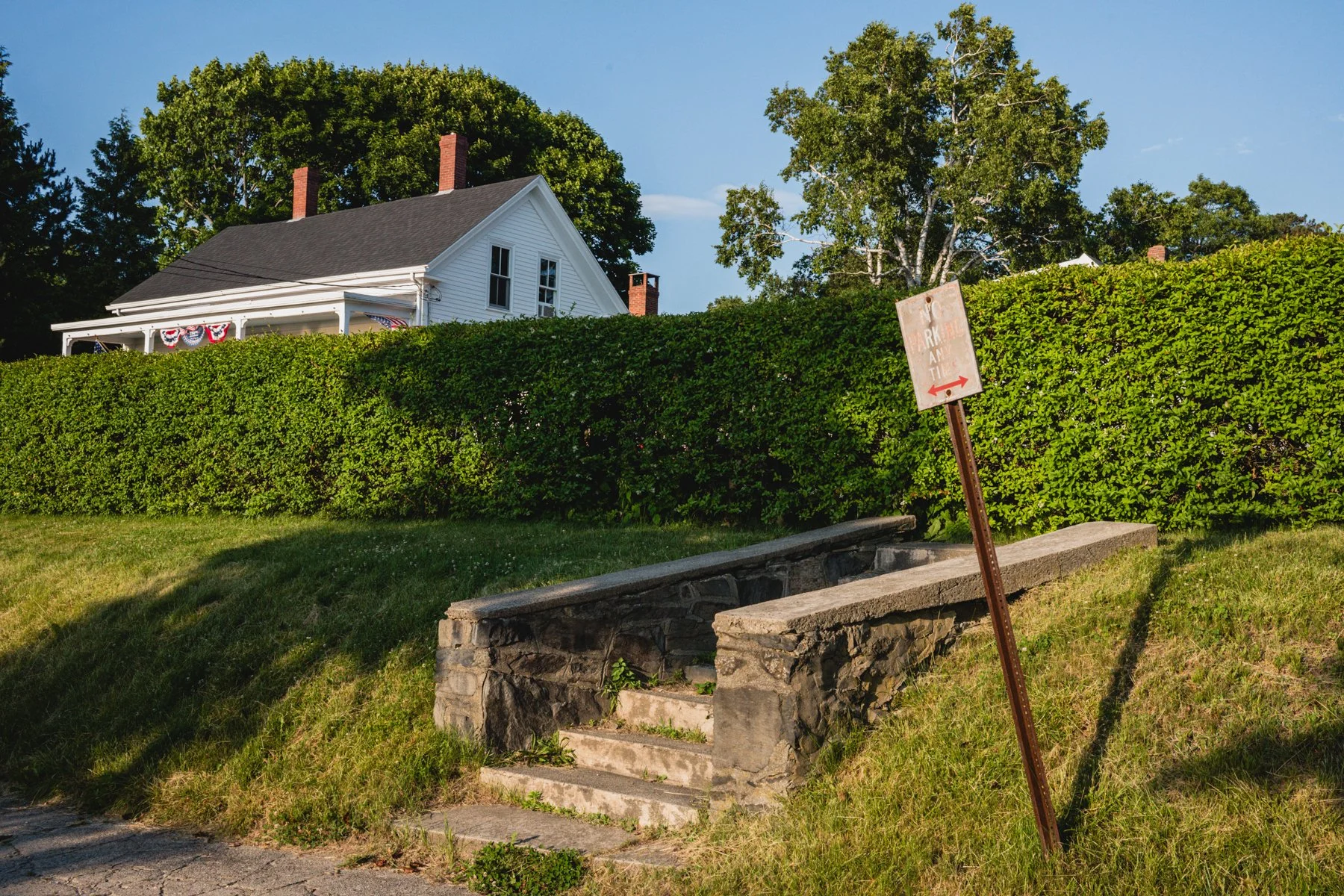
Despite my reluctance to use such a hackneyed term, I’m tempted to throw around the word “quaint” to describe Peaks Island, because, well, it’s certainly fitting.
The place is old-fashioned in a very charming way, and even its quirks are quite appealing—for instance, one of the main attractions is a museum dedicated to umbrella covers. Not umbrellas, mind you, but the covers for umbrellas that are often lost and neglected. There’s over 2,000 of them from 70 countries in the museum (a Guinness World Record), and they belong to private collector Nancy Hoffman, who states that the museum’s aim is to find “wonder and beauty in the simplest of things, and about knowing that there is always a story behind the cover."
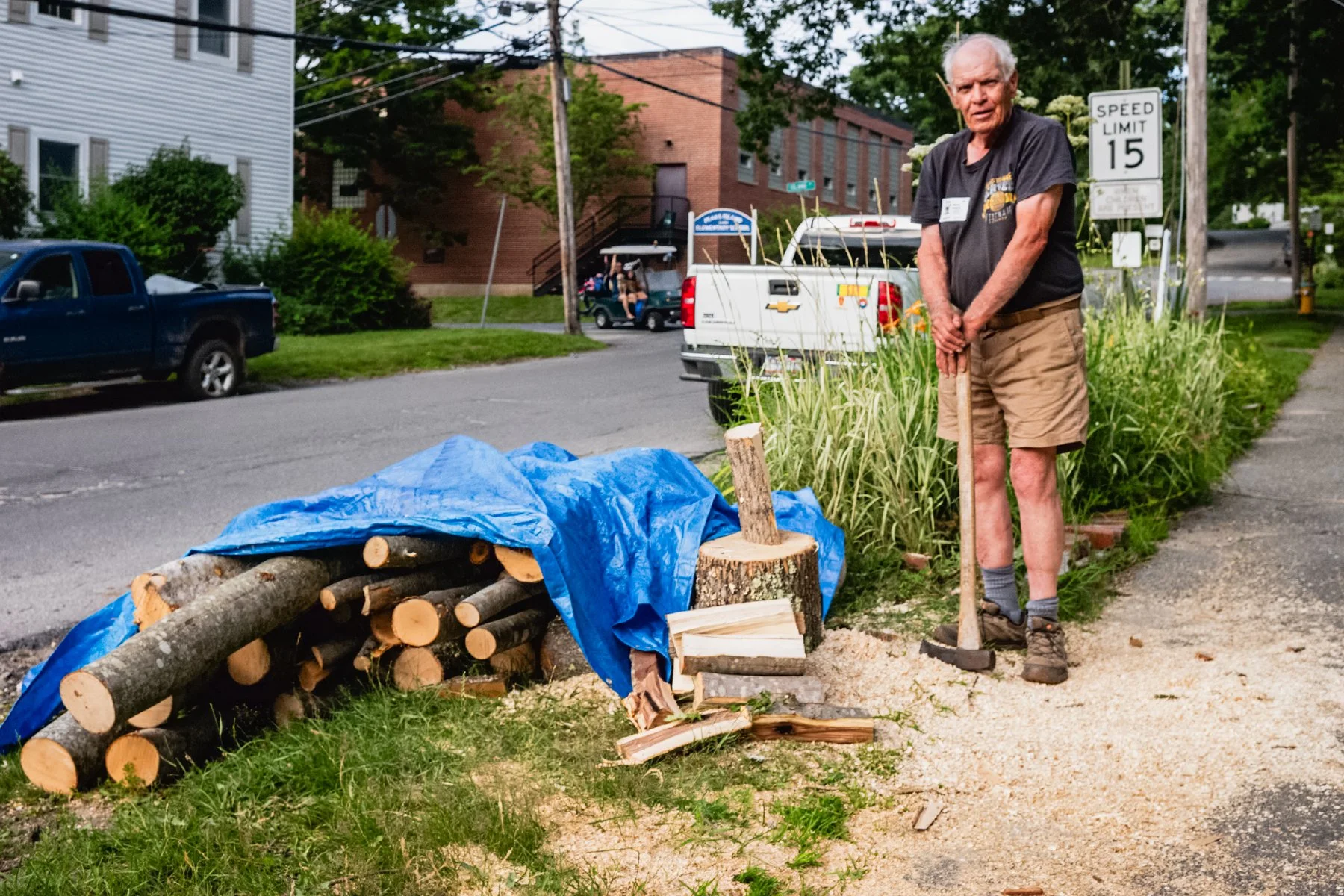
Not surprisingly, Peaks Island is a quiet, safe, and neighborly place. No one locks their doors, bikes, or cars here. In fact, someone next door to our hosts left their trunk open for our entire stay on the isle. On the second or third day, when I asked a neighbor if maybe I should close it, I was told “oh, she does that, don’t worry about it, leave it.” Fair enough.
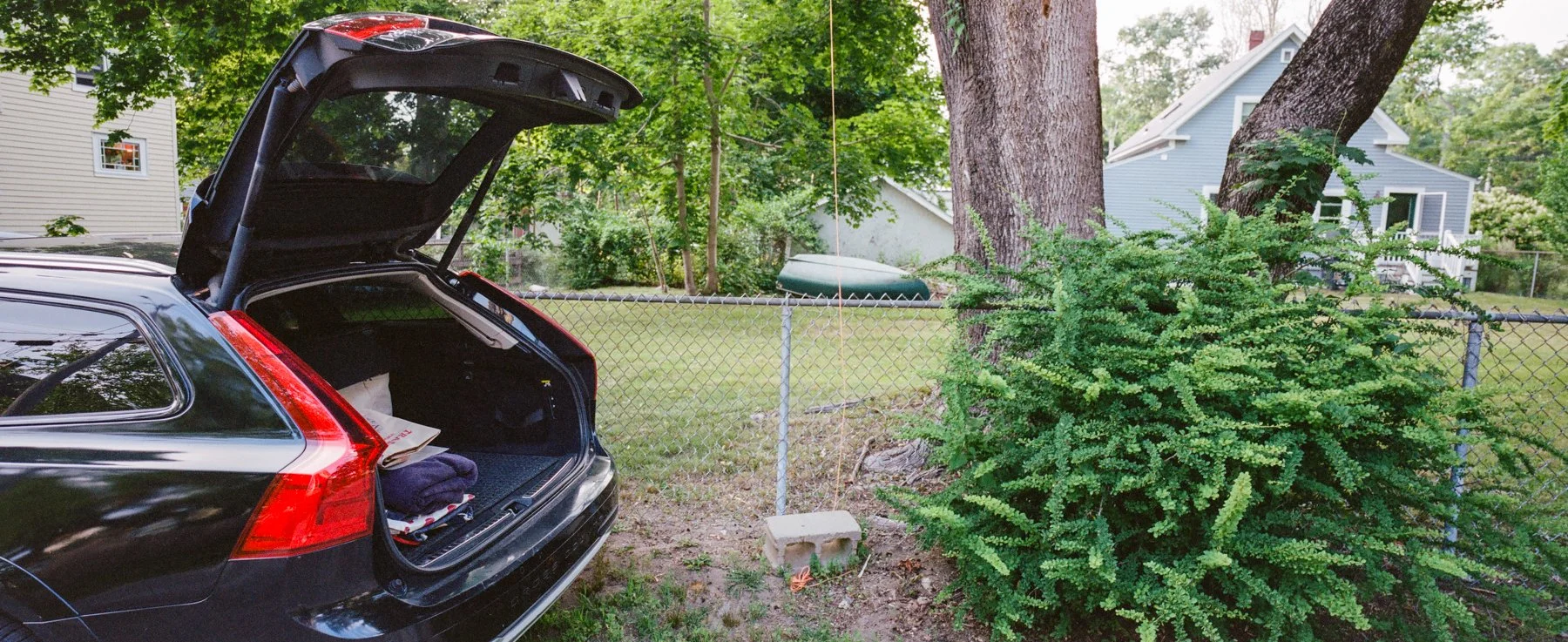
A heat wave engulfed the northeast around my time there. While NYC was experiencing temperatures in the triple digits, this part of Maine reached the mid-to-high-80s, which is still way hotter than the norm for this time of year.
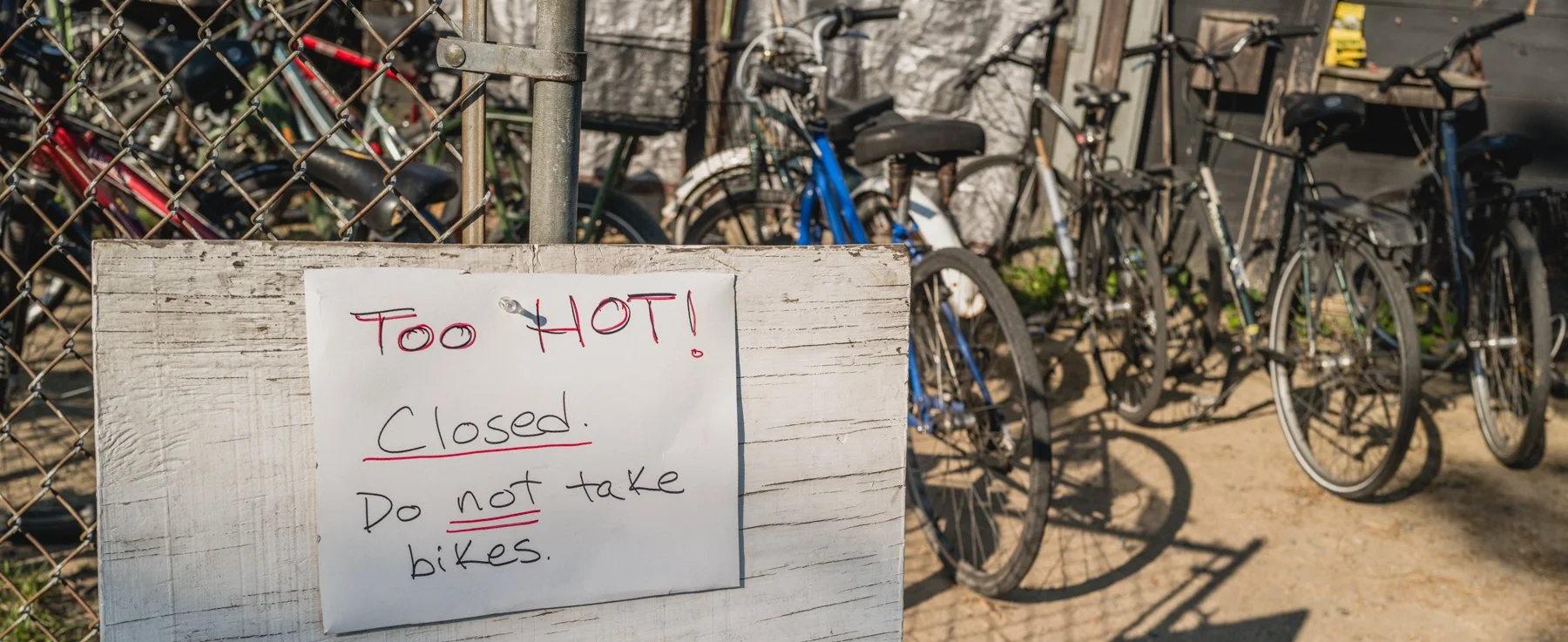
It was so unseasonably warm that some of the local businesses, such as the bike rental place, closed due to the heat on one of the days.
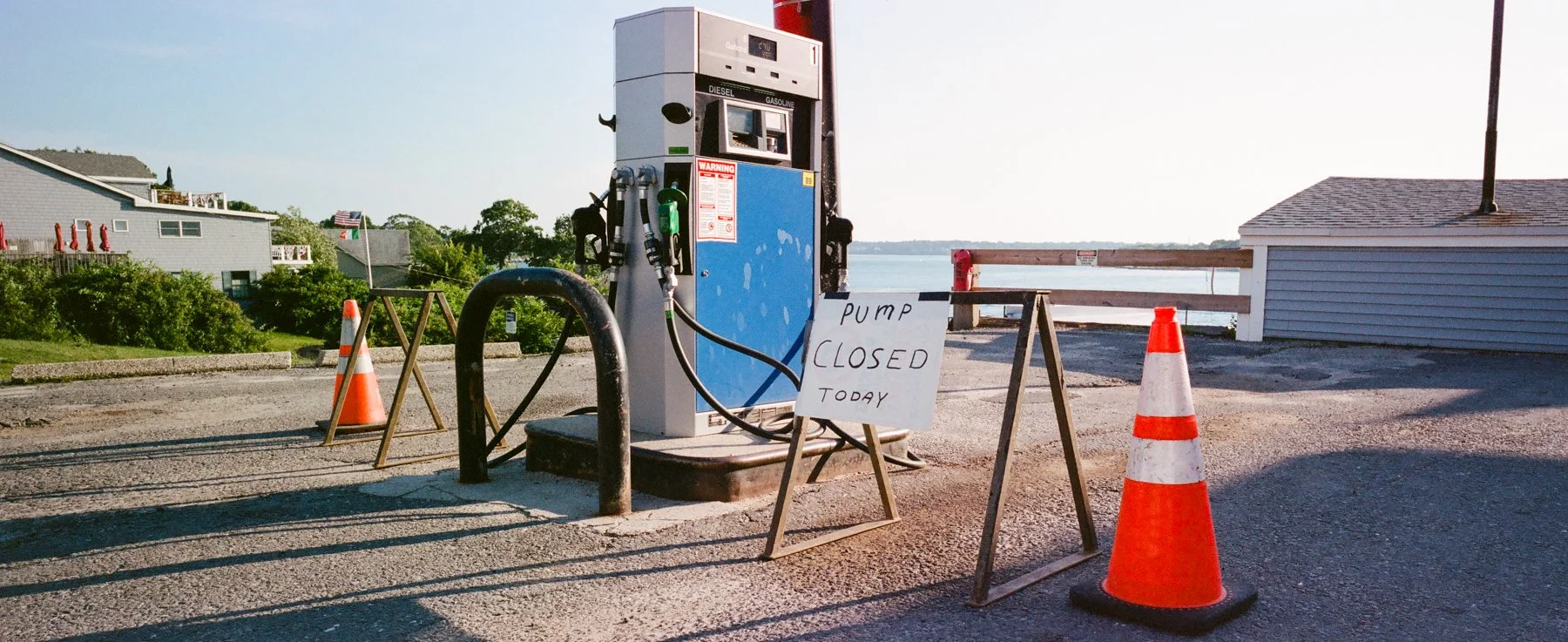
The one-pump gas station, on the other hand, was closed “today” for all five days I was there.
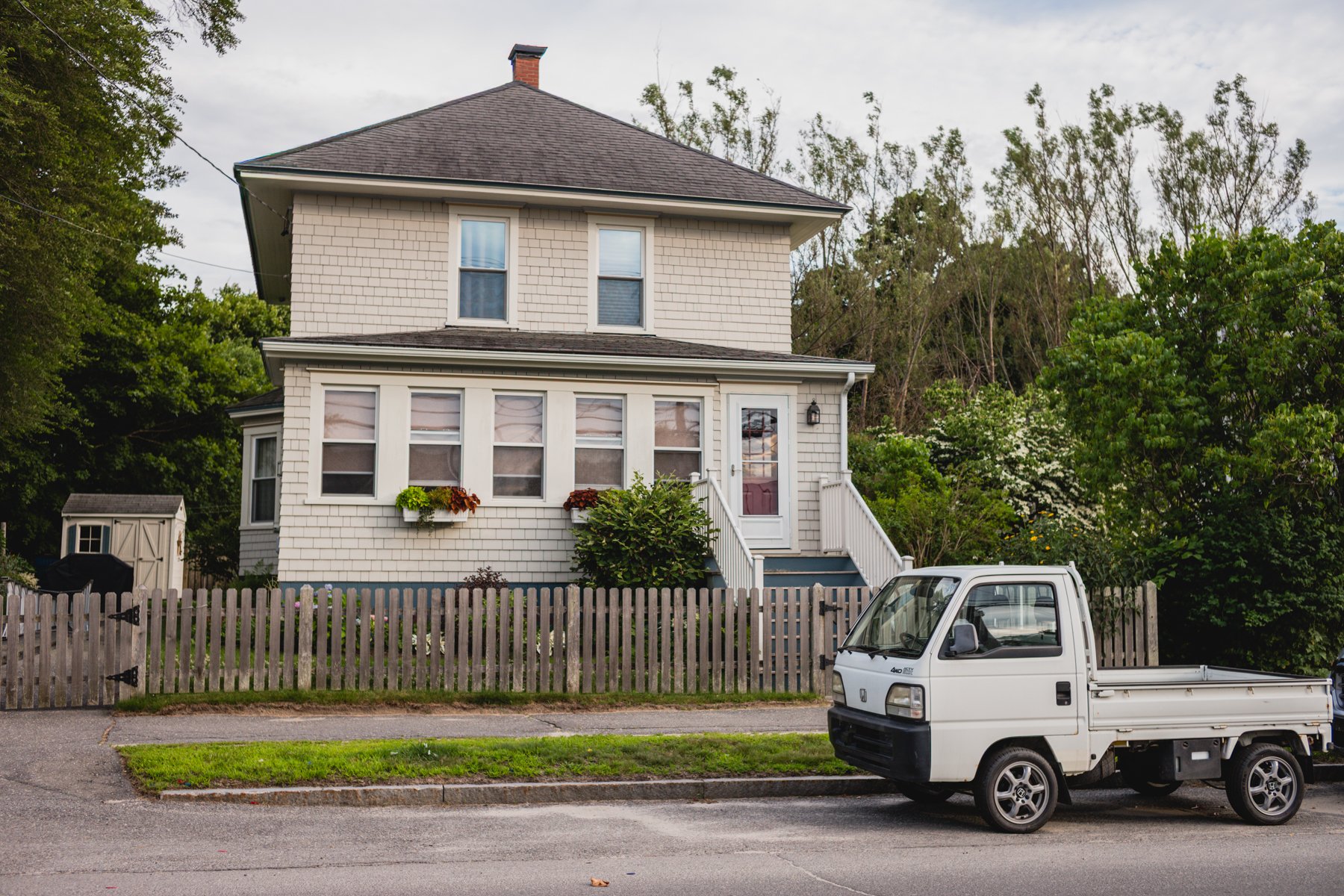
There are cars on the island, but most people opt to travel by golf cart, bicycle, or the oh-so-adorable Japanese micropickup kei truck. I hadn’t seen so many in such a tiny space since my time in Japan. There must be an importer in the area, and they’re making bank, no doubt.
I can see how they would be a most useful vehicle here—modest, fuel-efficient, and capable.
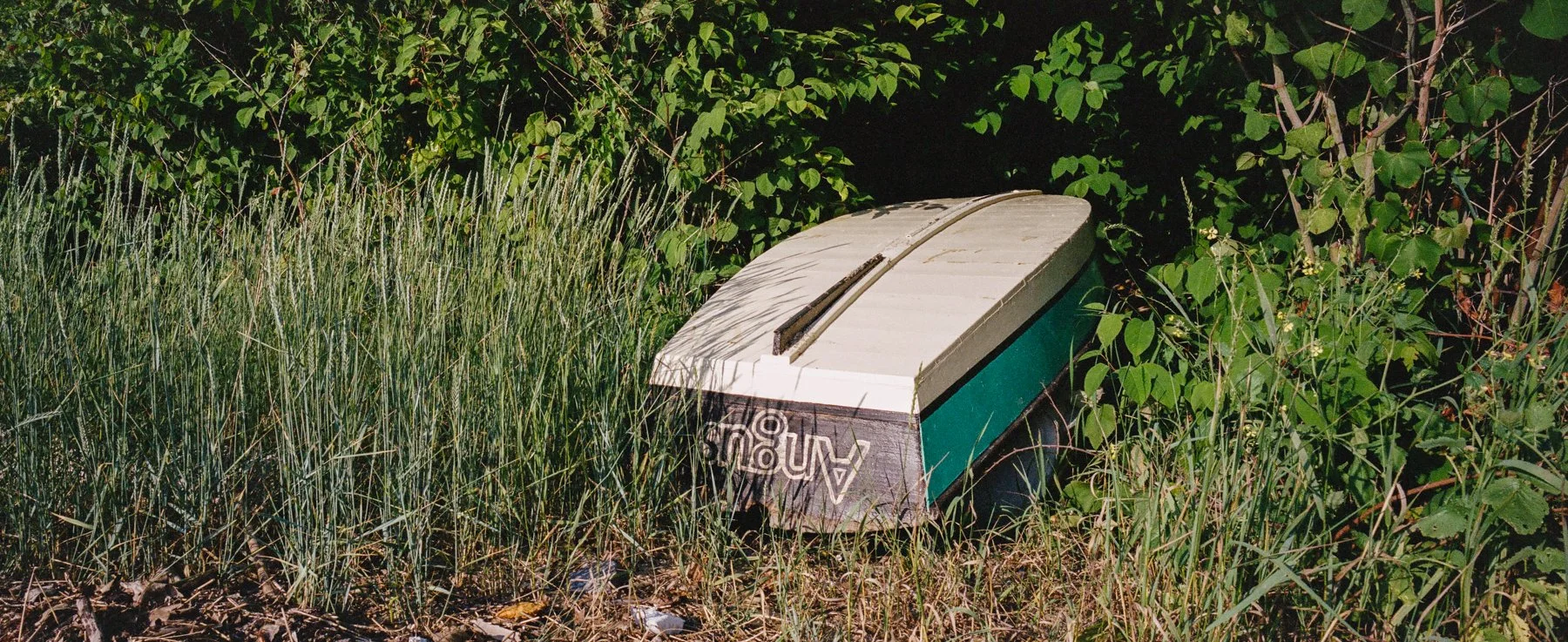
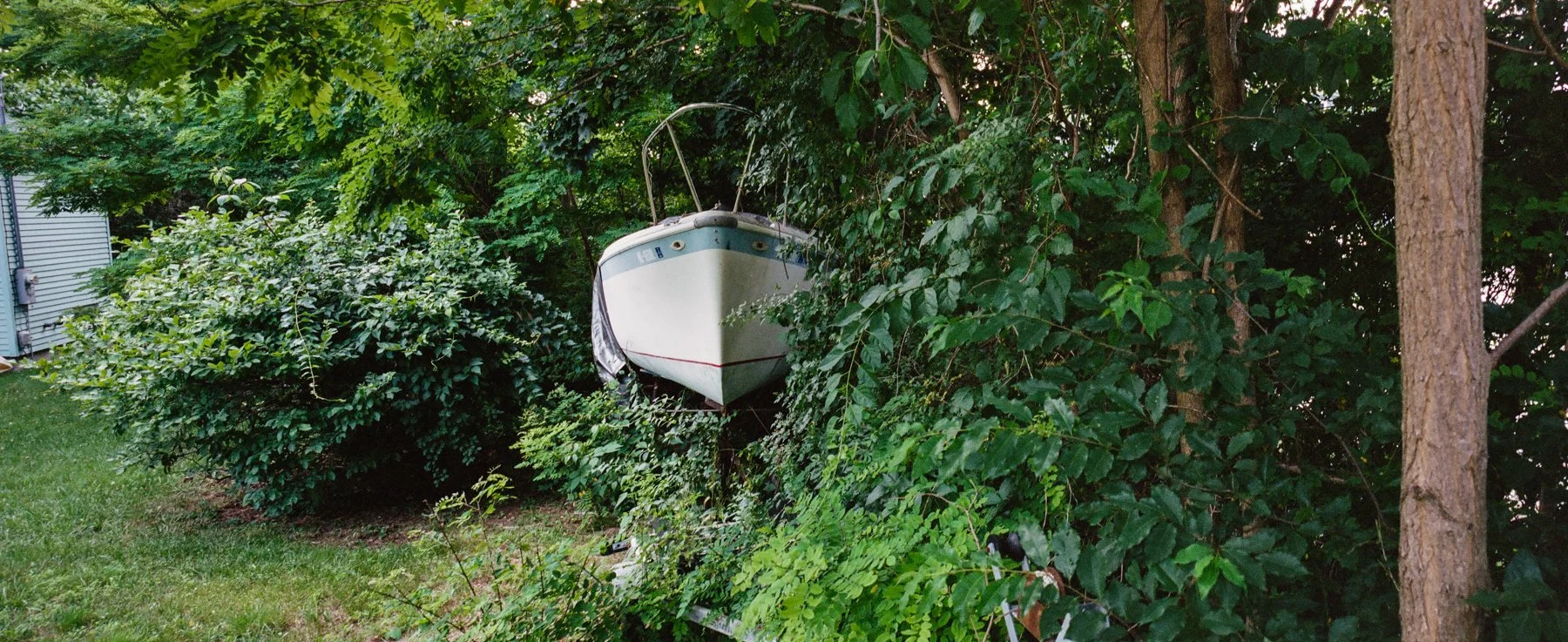
Being that it’s an island, there’s obviously lots of boats around the place, both docked and stored on land—tugboat, cruiser, trawler, dinghy, and everything in between.
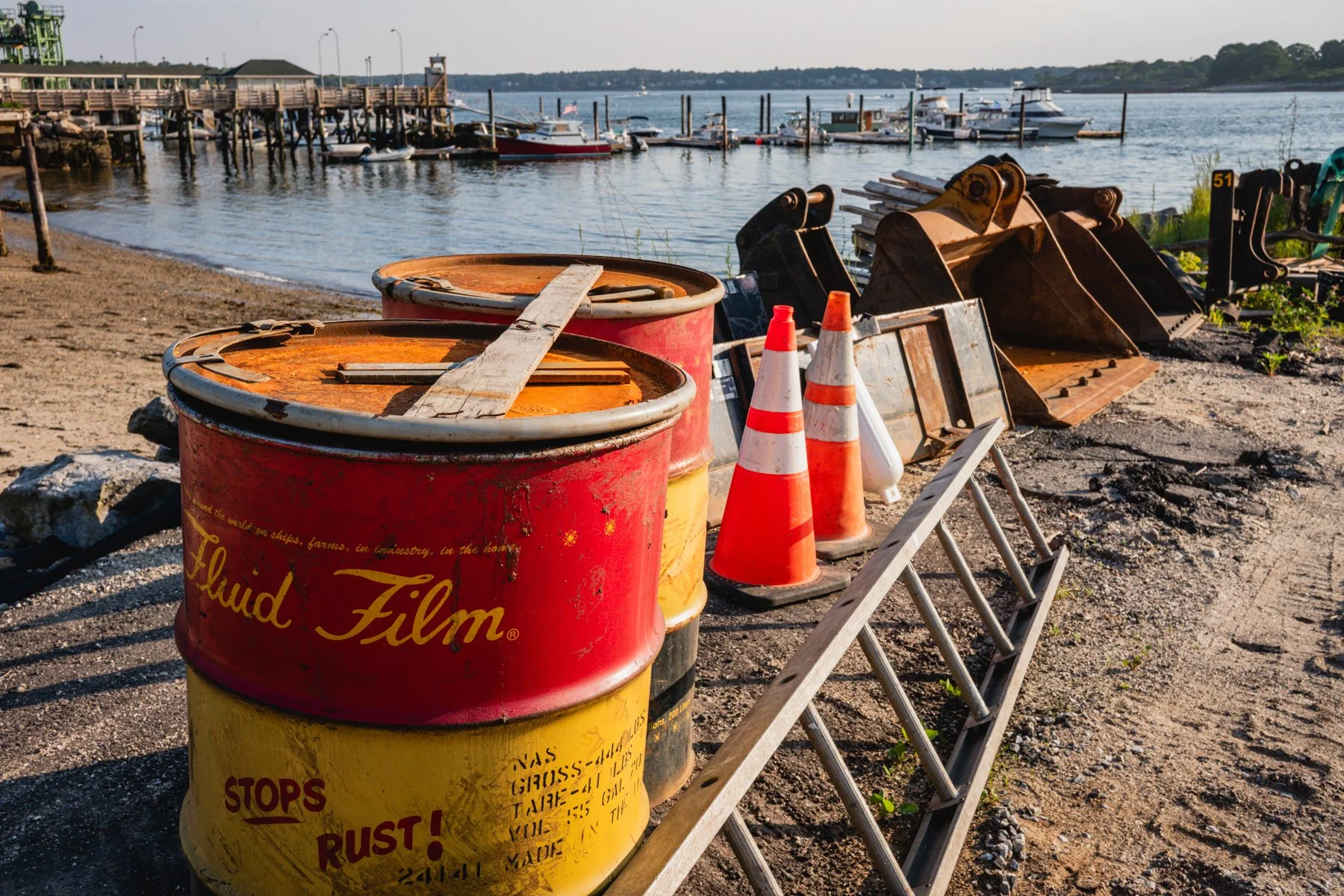
We arrived by a sizable, car-carrying ferry from Portland, which was only about a 20-minute ride and runs early morning through the evening. Most of the businesses on the island are around the ferry landing at Jones Wharf.
Today, there’s a handful of restaurants, cafes, and inns, a grocery store and ice cream parlor/gift shop, and not much else.
But apparently in the late 1800s, this area was known as the Coney Island of Casco Bay and featured a ferris wheel, observation deck, a theater, boardwalk, and many businesses. Back-to-back devastating fires ate up all of it by the mid-1930s, however, and the area never bounced back to its commercial glory.
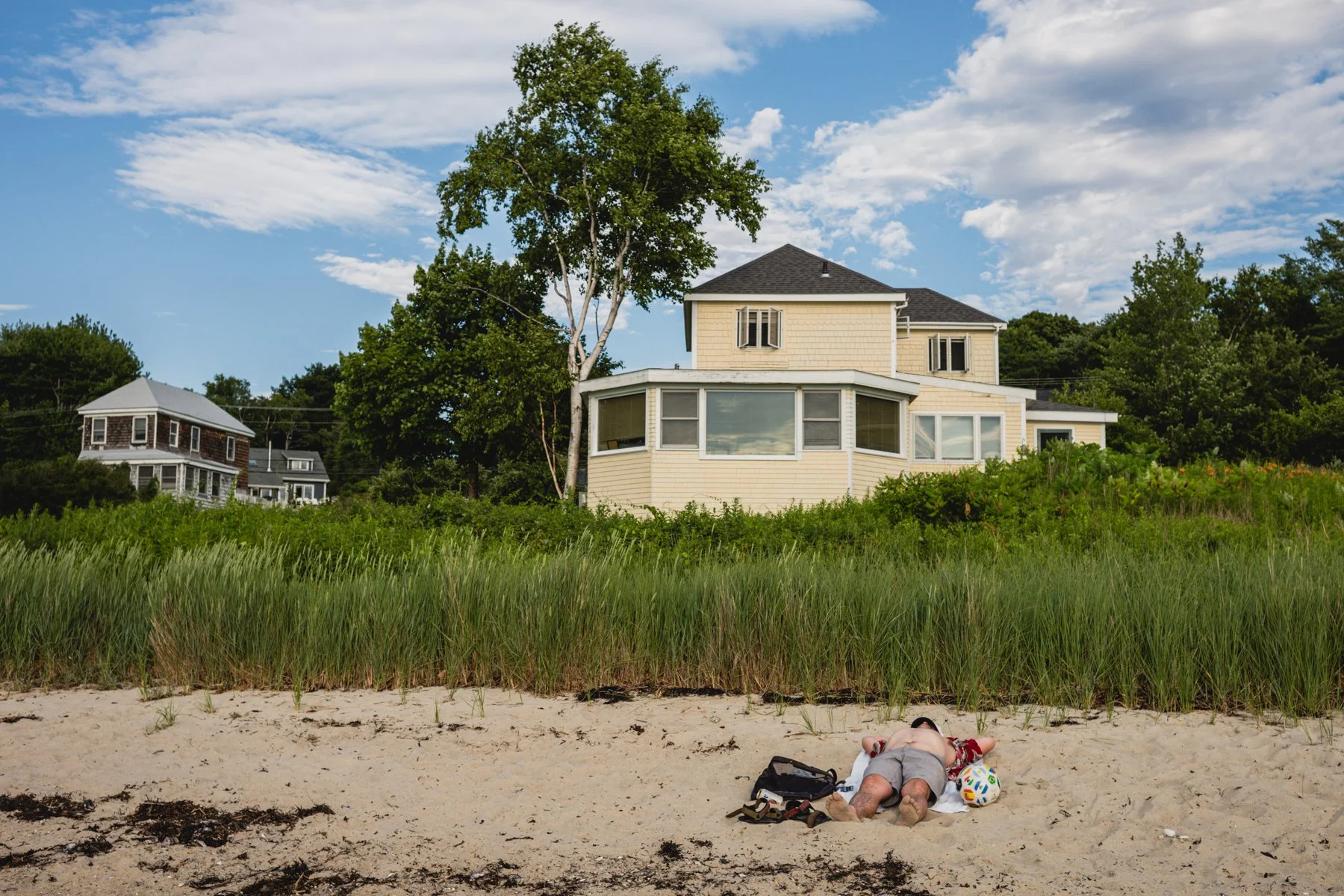
The beaches surrounding the isle are mostly pebbly and rocky, although the northwestern side has a long sandy stretch at Centennial Beach.
The water temperature in the summer is around 60-65 degrees fahrenheit, which is cold enough to cause discomforting levels of vasoconstriction. Slowly dipping into it made me grateful to be in the middle of a stifling heat wave.
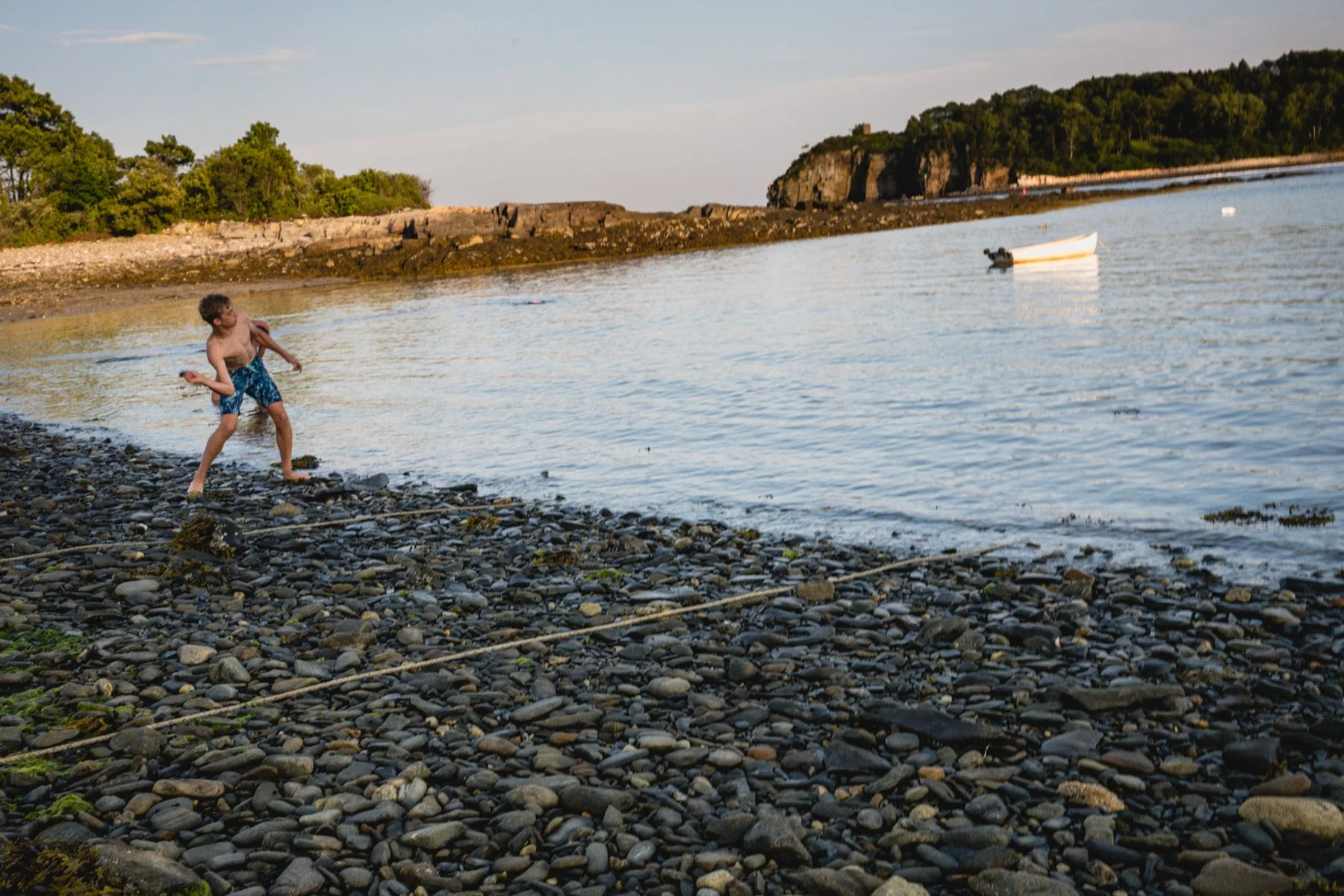
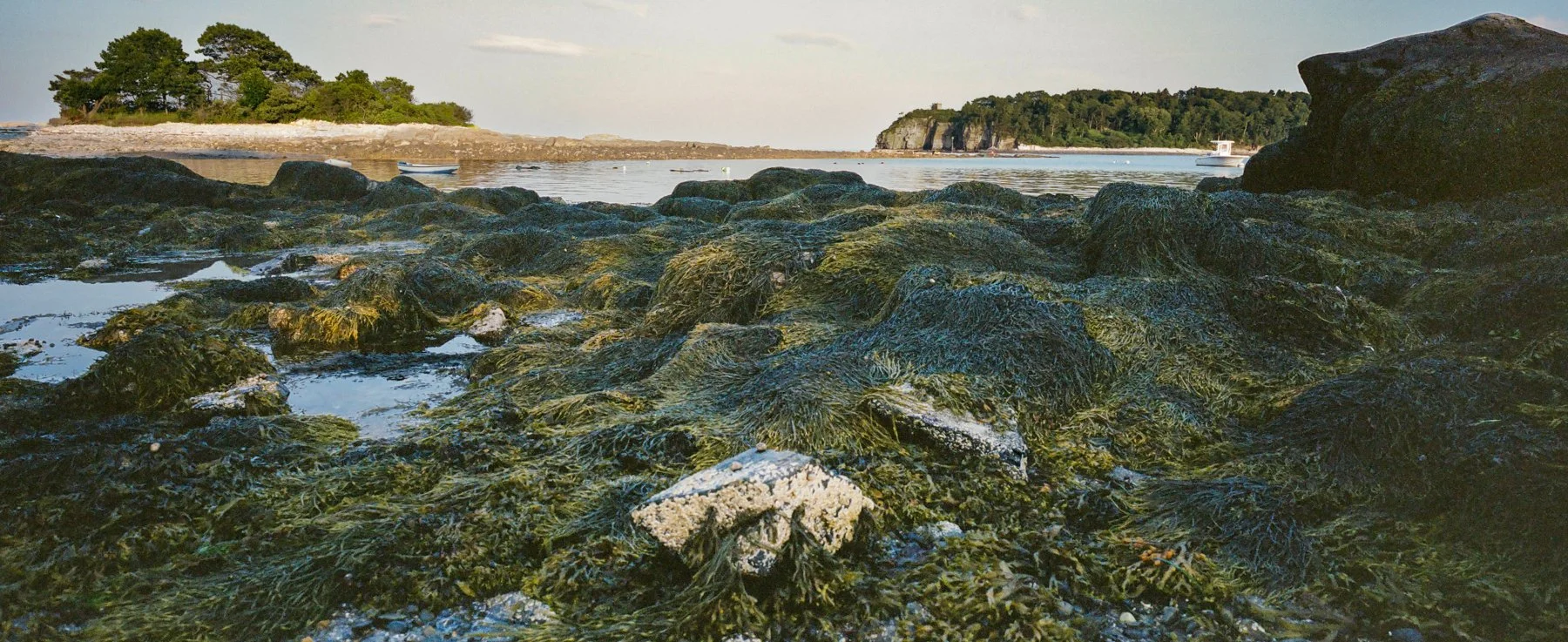
At low tide, the waters rush back to reveal a seabed full of mollusks and eelgrass, but mostly just millions of pebbles and dark granite rocks.
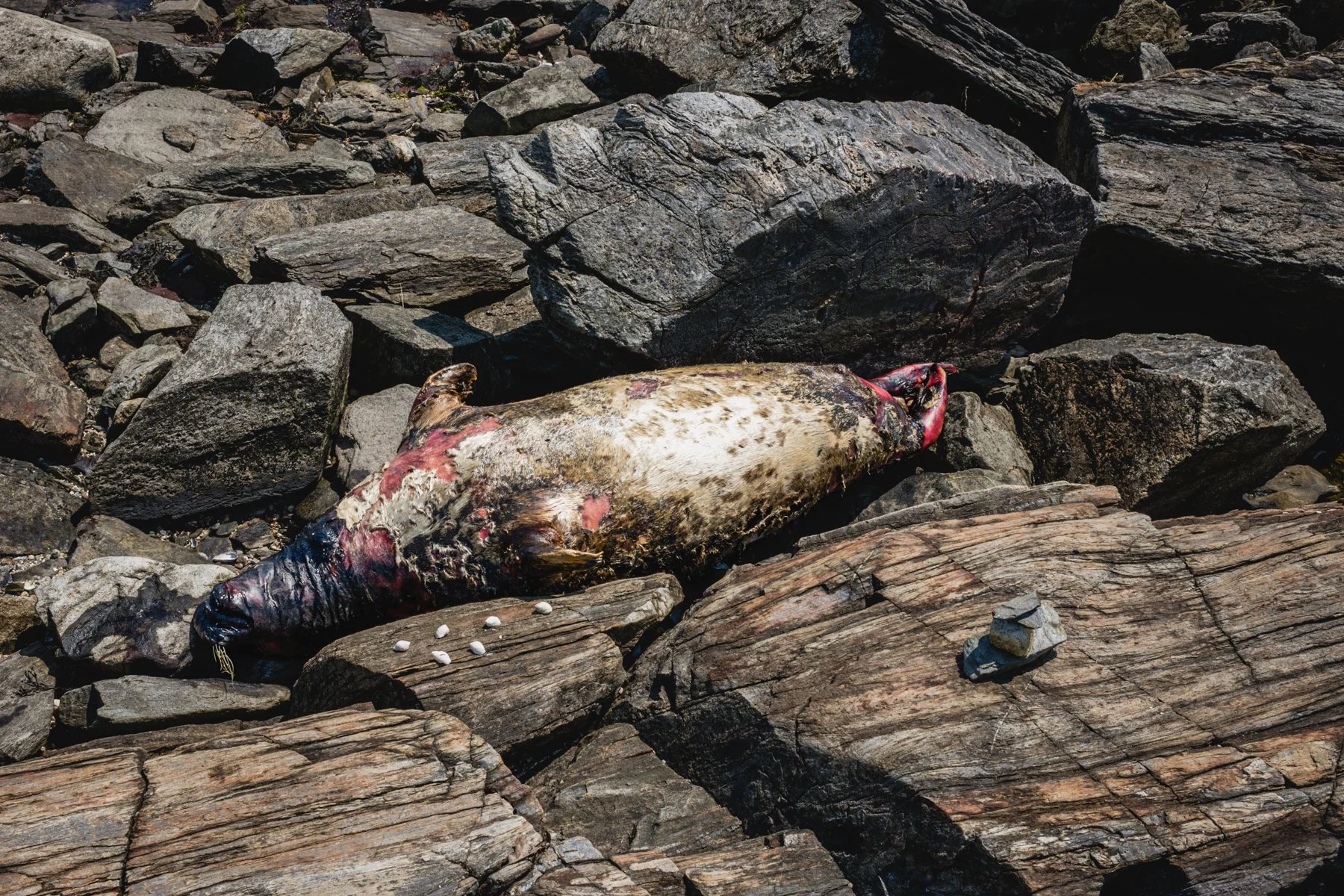
Walking around Picnic Point, Margaret came upon a dead seal laying between the rocks, given away by a strong stench well before it was spotted. She later brought me back to see the body, Stand By Me style.
I’ve now seen (and smelled) a dead seal on both the Eastern and Western US coasts, which should grant me some sort of special distinction—a coin or badge or something.
I found the people on Peaks Island to be friendly and warm, in an understated way. And mostly white. Pretty much exclusively white.
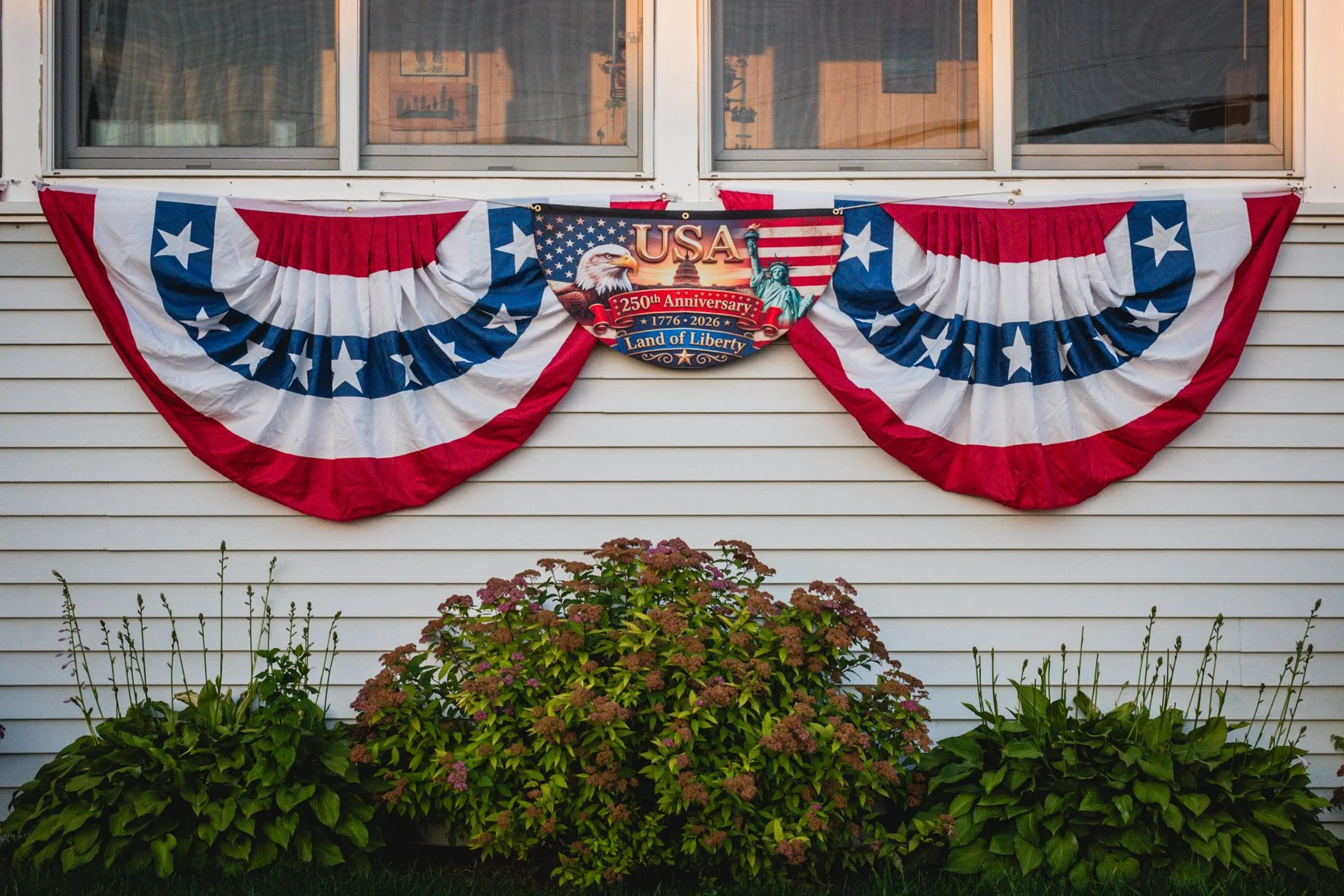
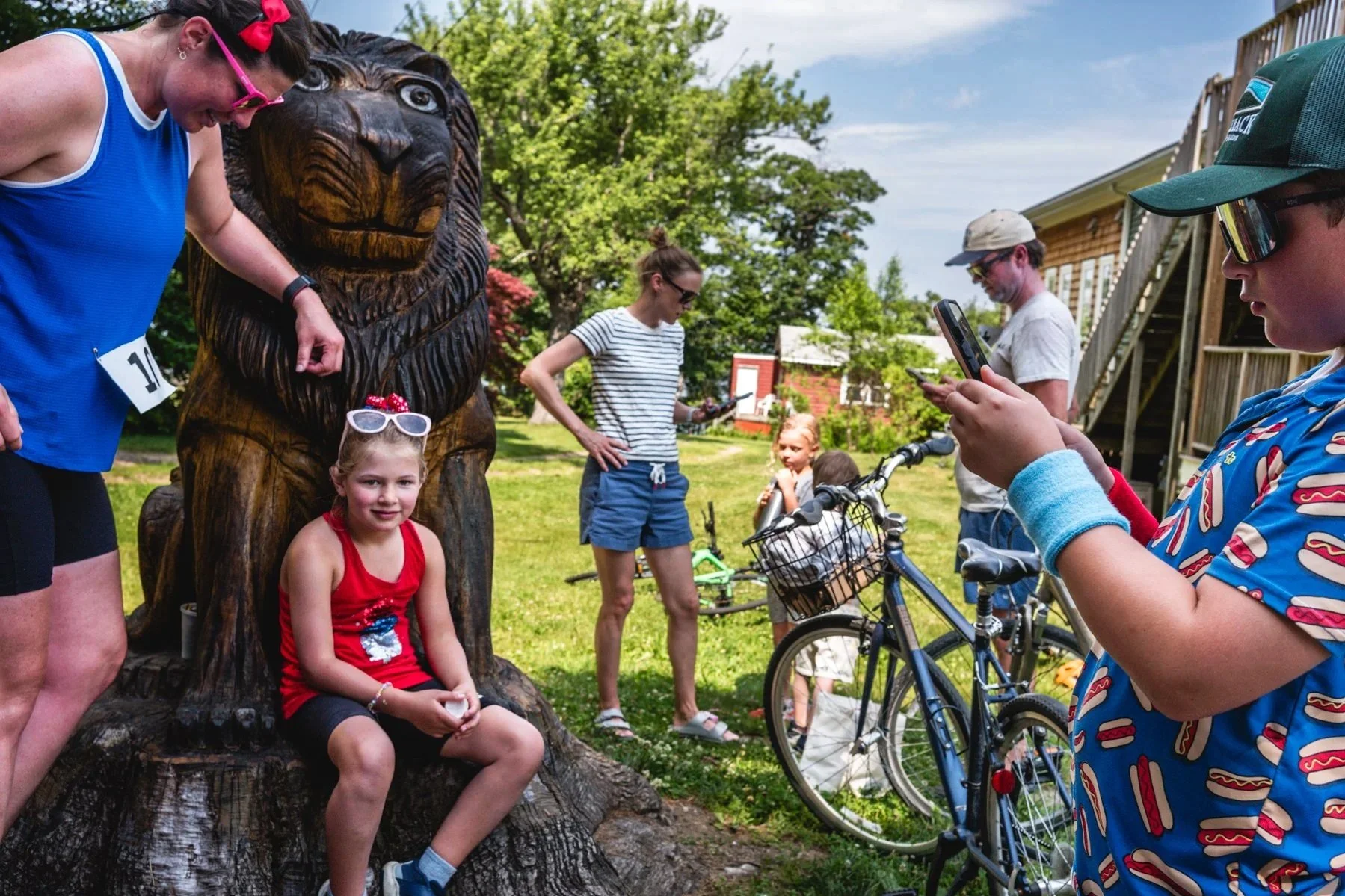
Being that I was there during the Fourth of July on the 250th anniversary, there were many festivities planned, including a parade and fireworks.
A local favorite event is the Lion’s Club-sponsored yearly Clamshell Race (a relay where a mollusk is passed around) complete with special recognition prizes at the finish line for things like Most Patriotic Outfit and Best Hat, decided by audience applause (the lobsters took it home).
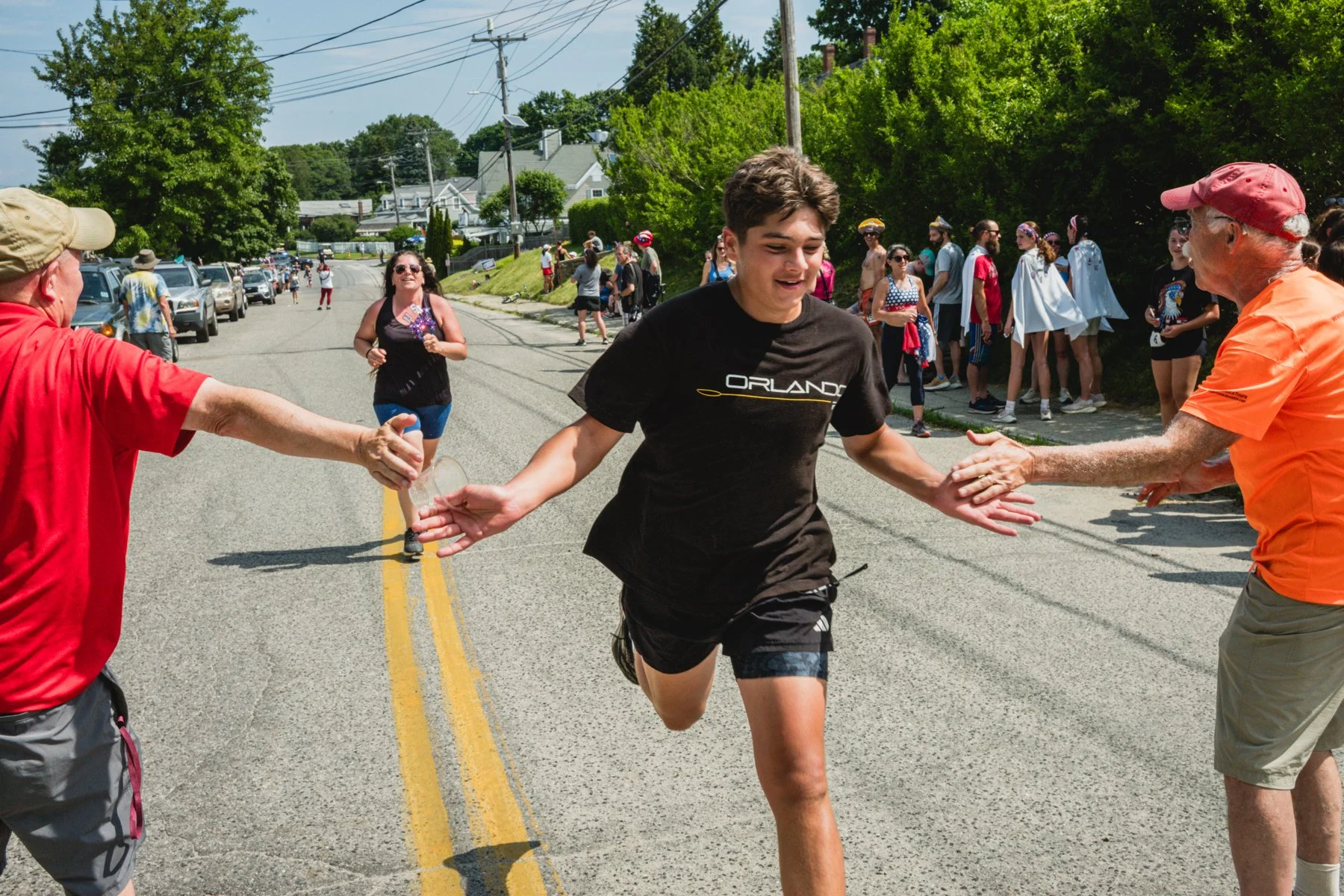
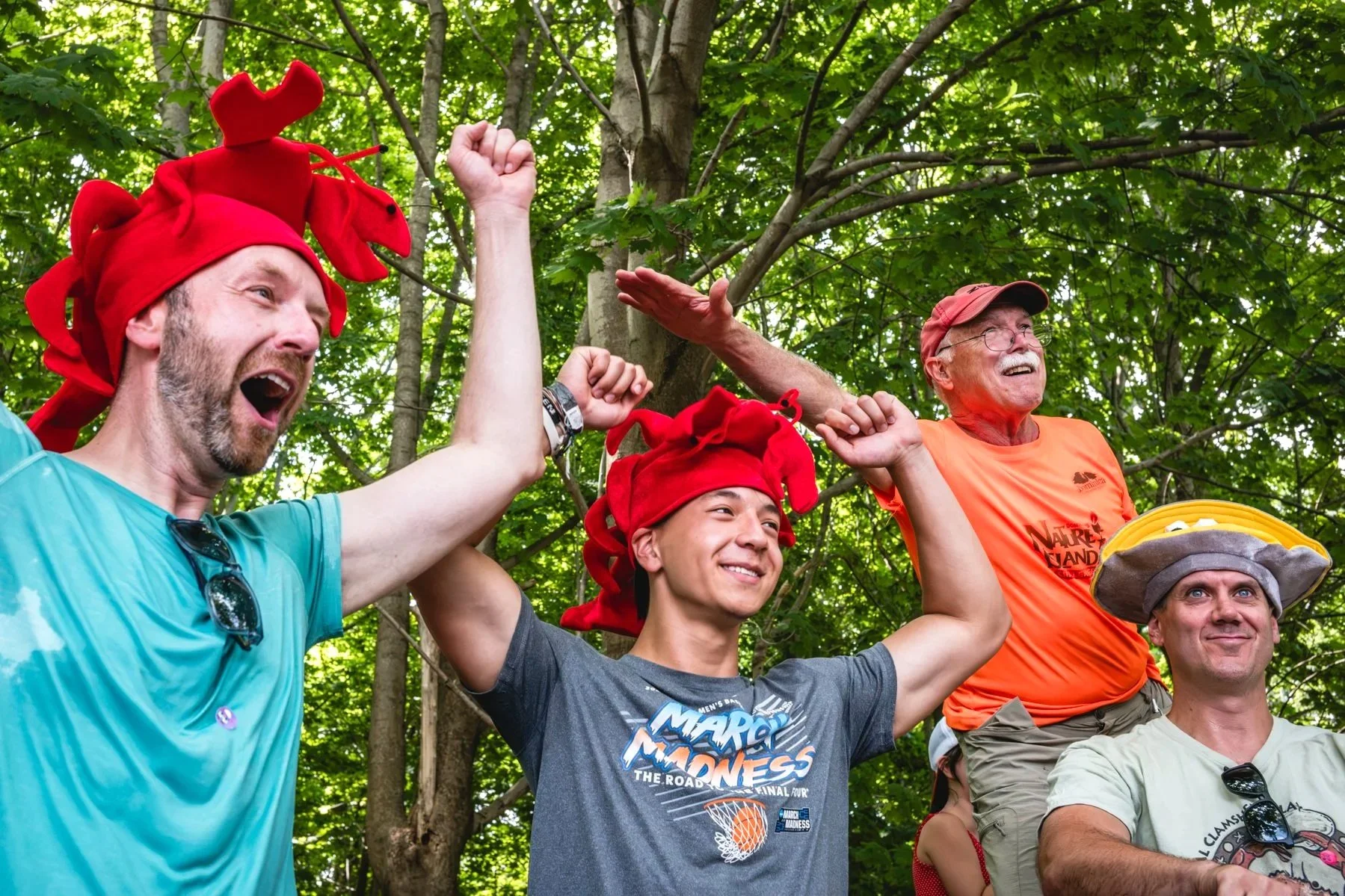
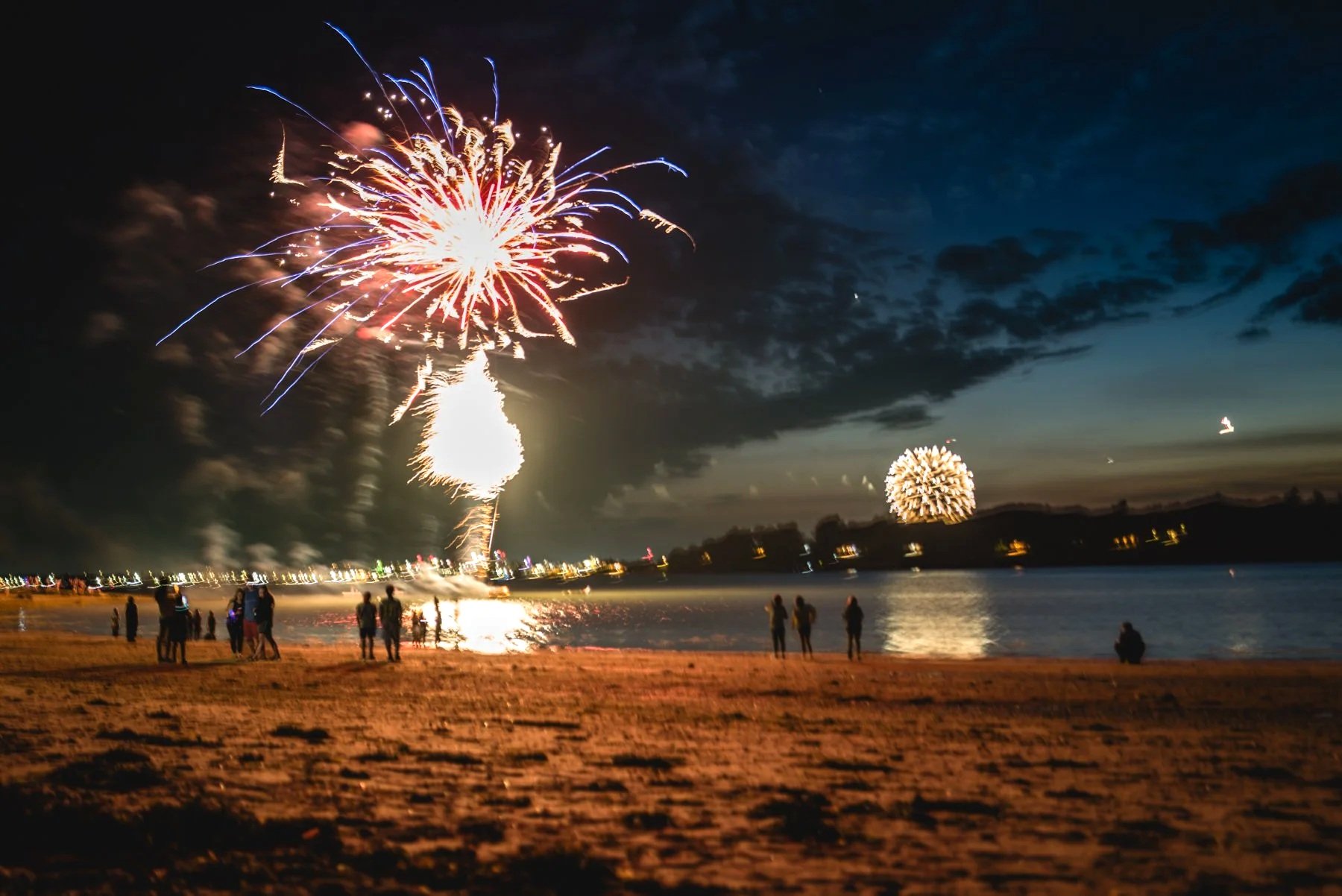
Even the fireworks show was charming and homespun—a one-man passion project launched from a small wooden boat, which typically catches fire during the apex of the program in a way that Francis Scott Key would heartily salute.
I never know what to photograph in a place like this. I’m not well-versed in landscapes. I don’t know where to start with any of that. Nature is a mess I can’t make sense of just yet—I should work on that.
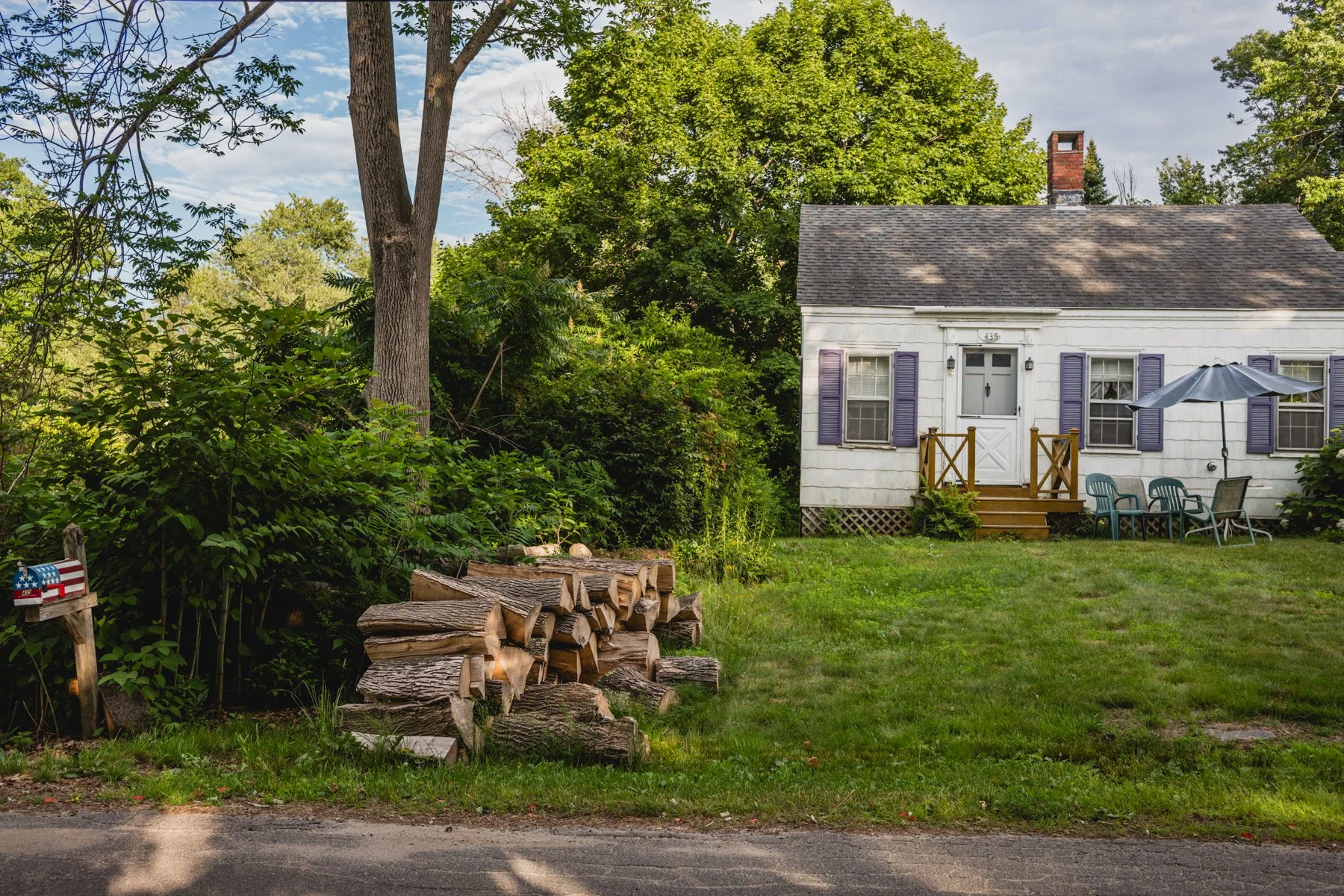
I was quite taken with the buildings though, and found myself drawn to how well they sat within the surroundings.
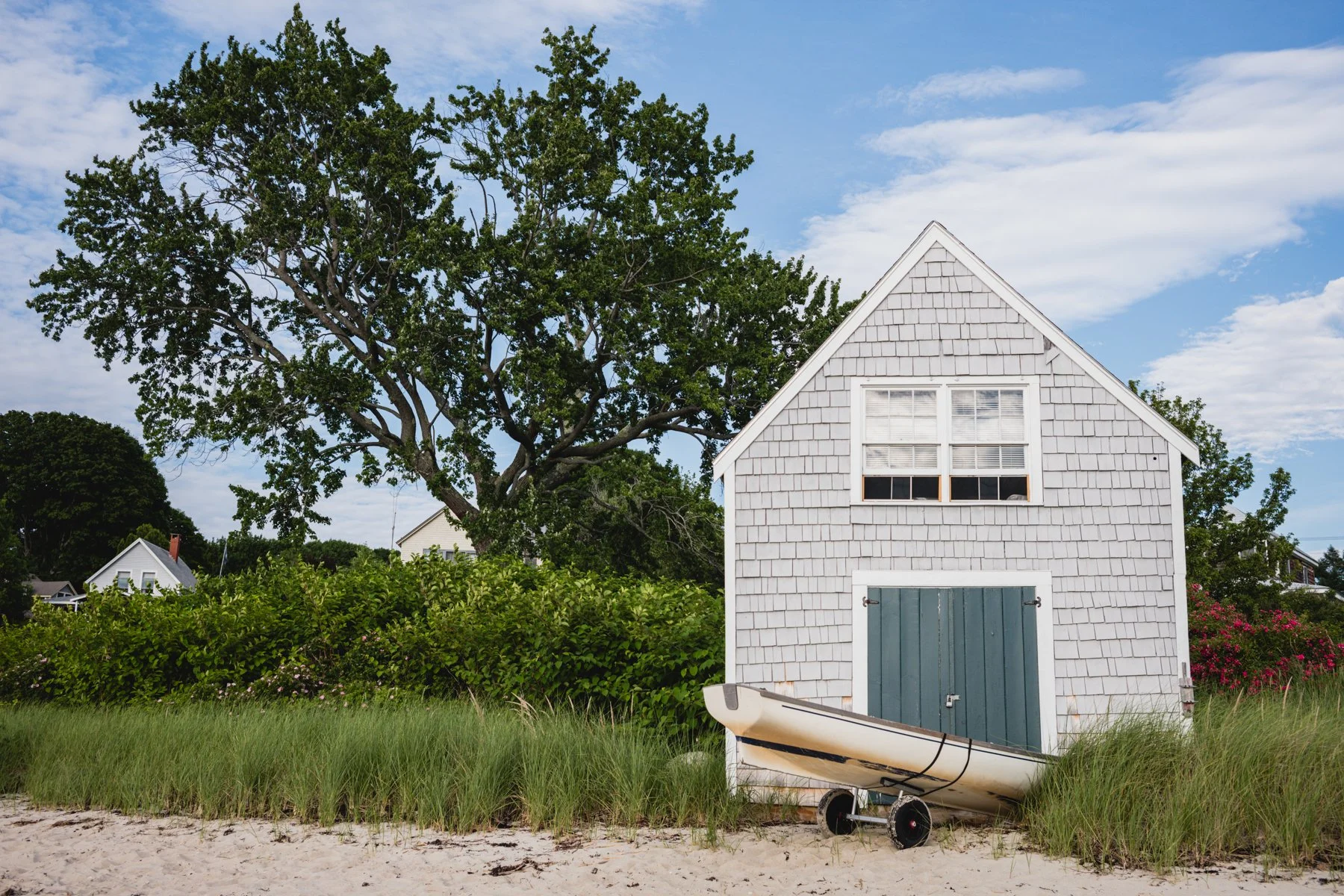
A healthy mix of vintage colonial homes and shingle-style summer cottages abound throughout the island, with a good amount of new construction paying tribute to the traditional architecture as well.
Pitched roofs on account of the heavy snowfall, and everything’s at the mercy of the salty wind and cold humidity.
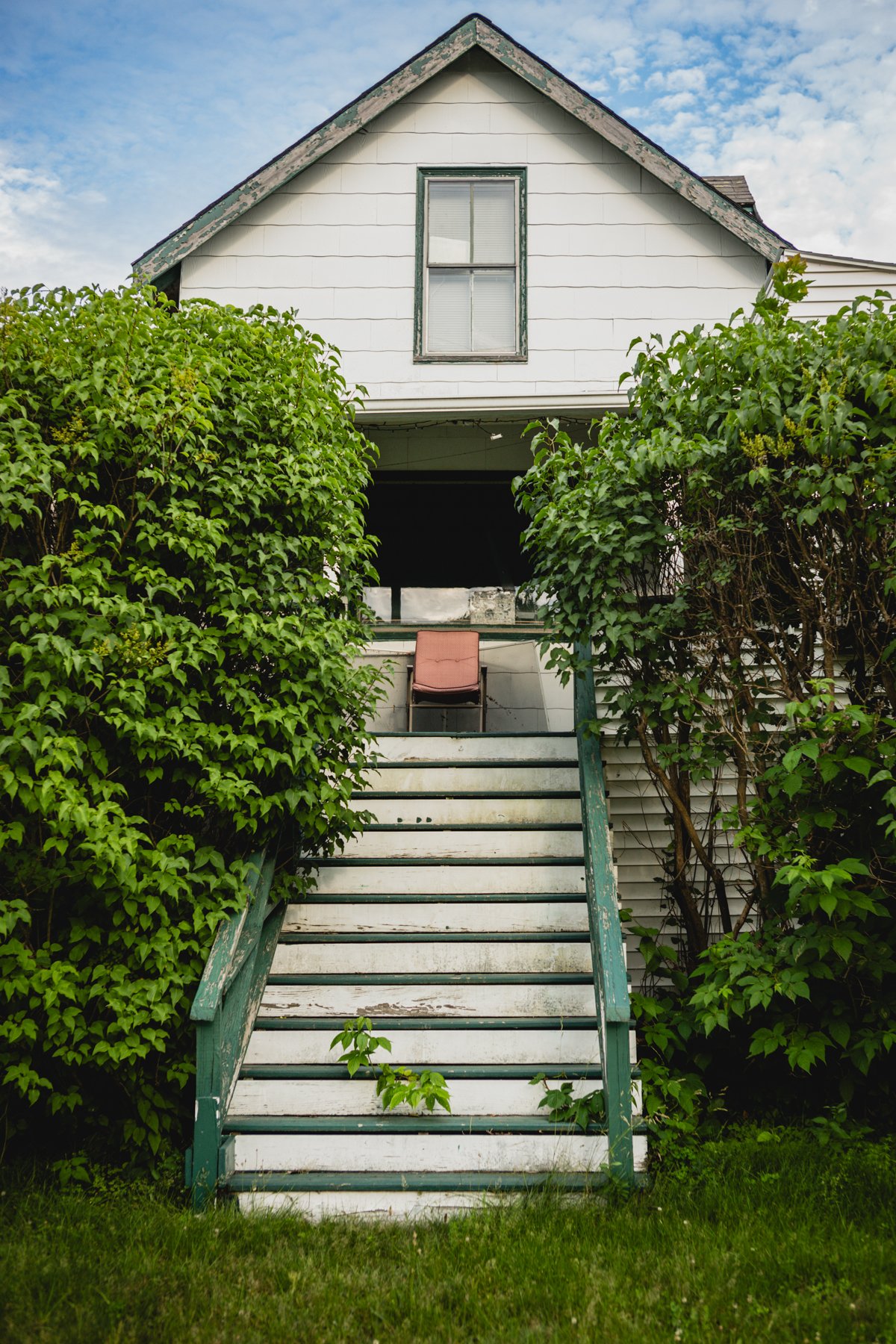
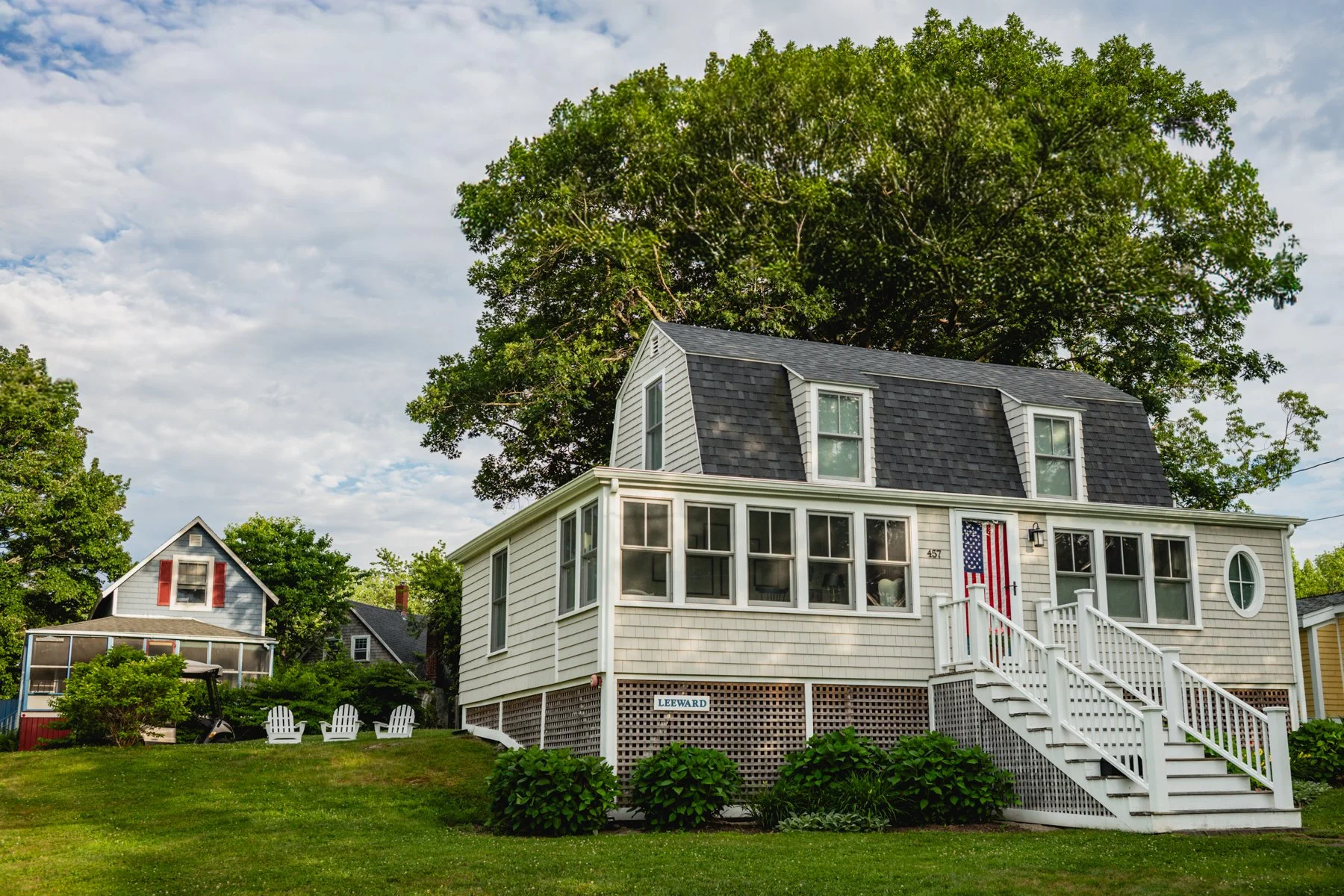
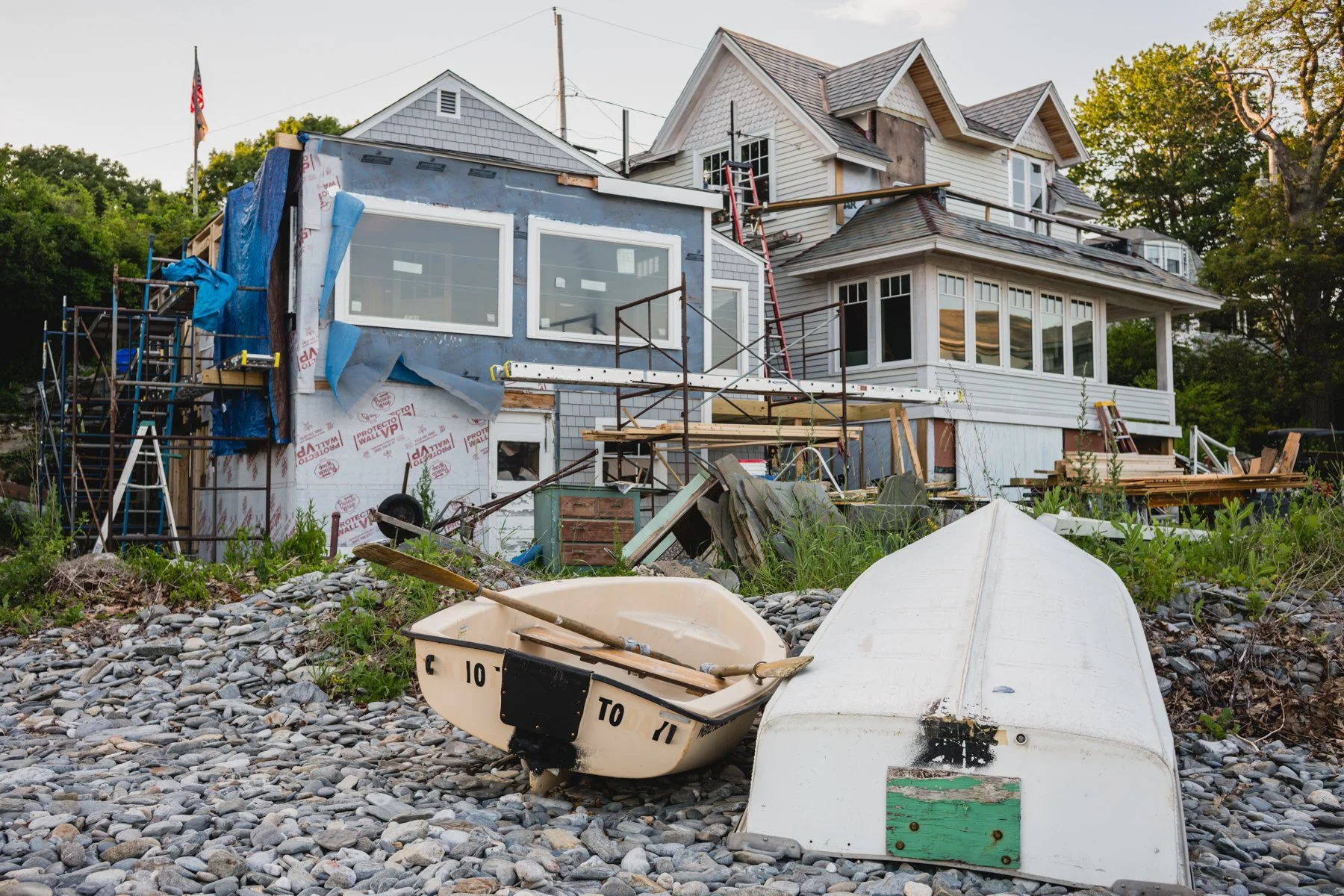
During World War II, Peaks became a defense installation for the military, and the Battery Steel fortification still stands in the middle of the island. Bunkers pepper the eastern coast, although they currently sit abandoned, flooded, and littered with graffiti.

The concrete tunnels of the fortress are best reached by bicycle as they sit inland, and I found the ride through the wooded center of the island to be a welcome break from the sun-beaten coastal road, which, while beautifully scenic on a bike, offers very little shade on a sweltering day.
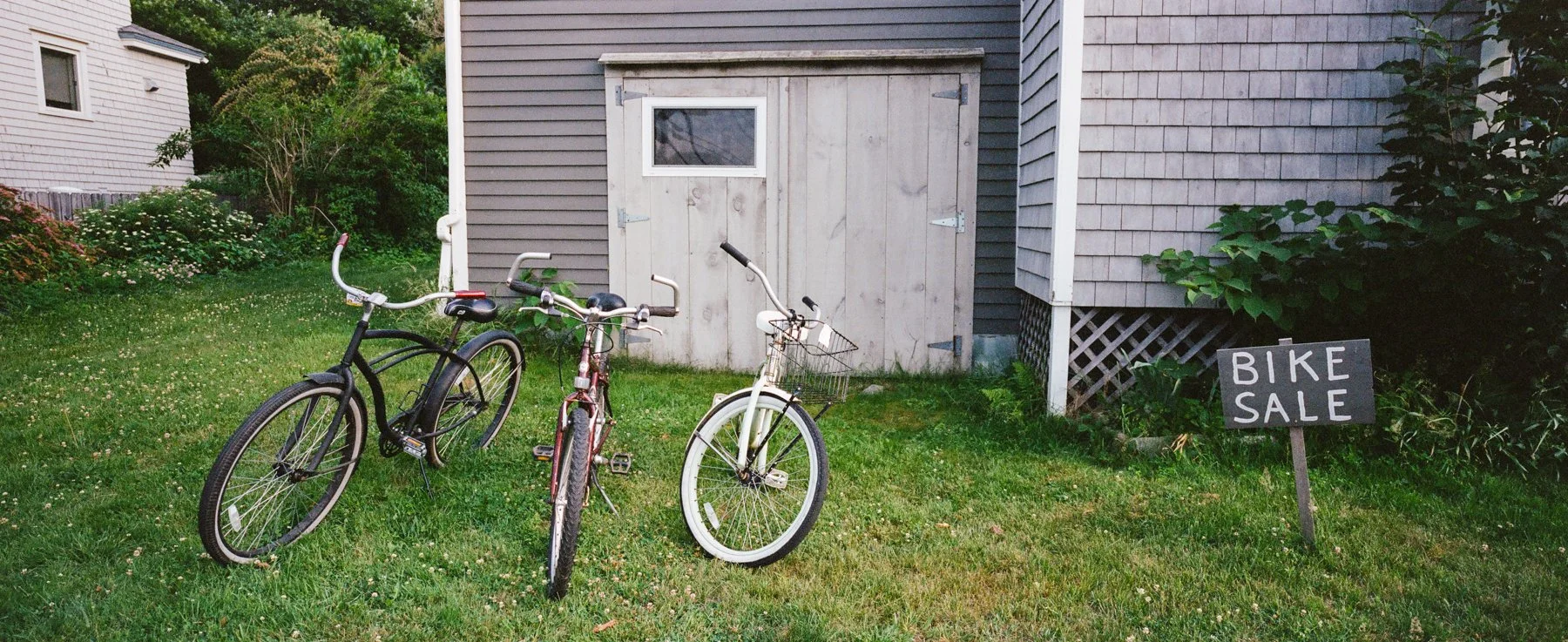
There’s not a ton to do on Peaks Island, and that’s its main feature.
Part-timers come here to unplug, and year-rounders seem plenty busy engaging with their families and their tight-knit community.
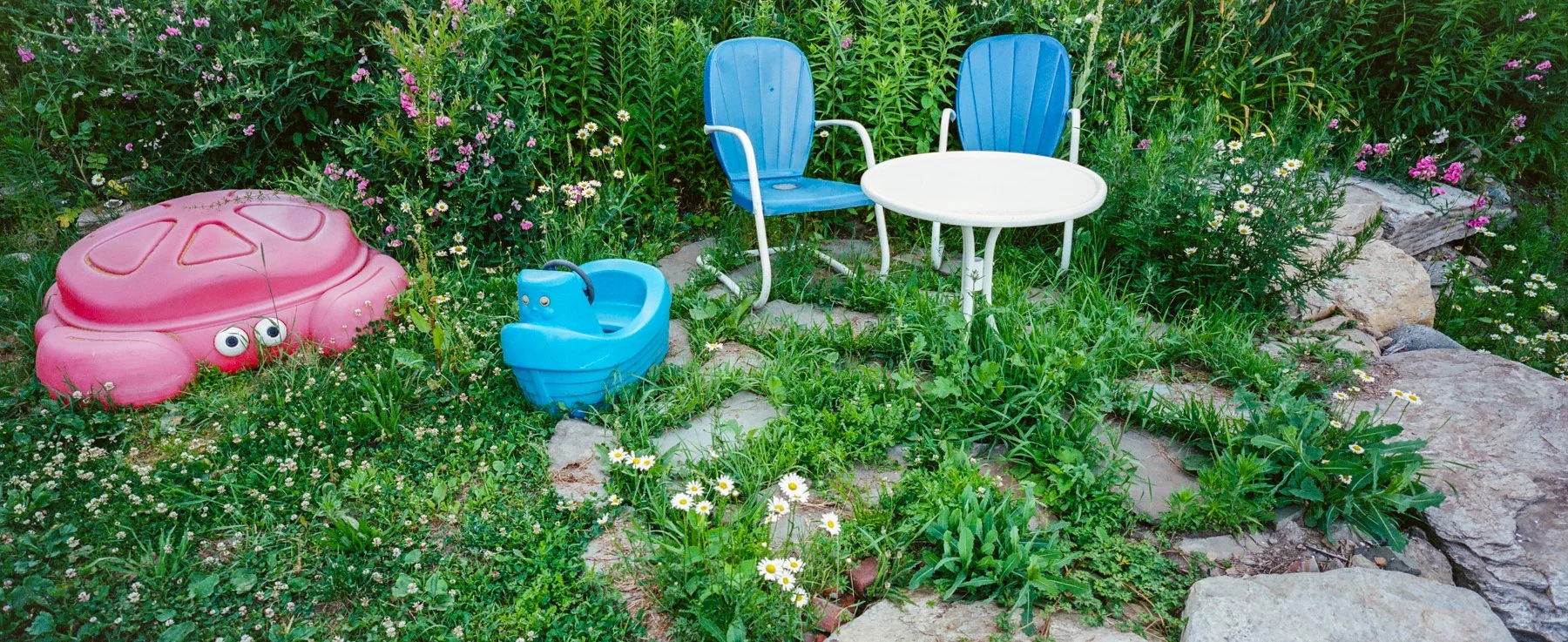
If you do go there, you could do these things and probably wouldn’t regret it:
Procure a copy of the local paper, Peaks Island News, and read it cover to cover.
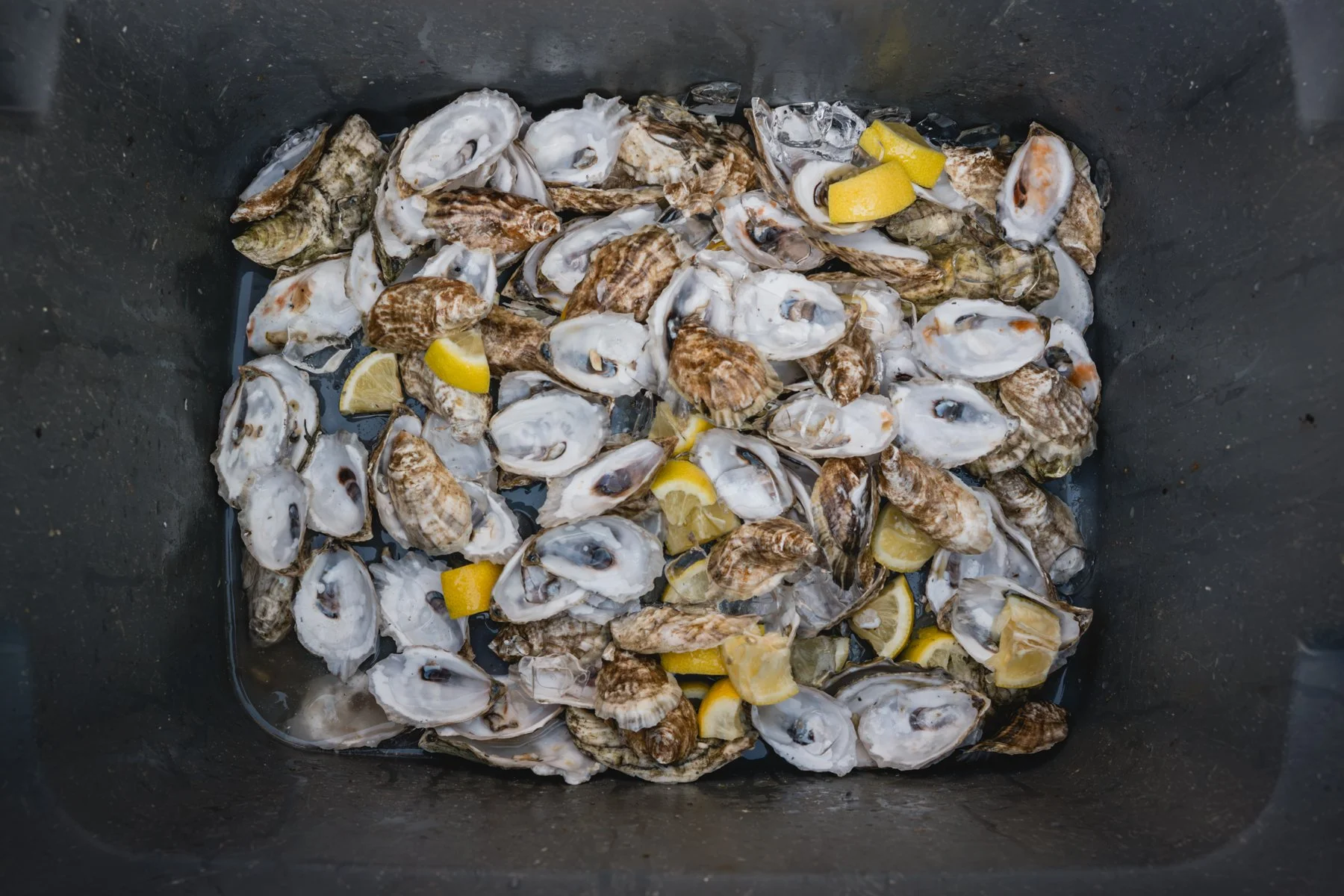
Skip the overpriced restaurants, but do grab a dozen oysters from the himbo running the Peaks Island Shellfish Company in the front yard of his family home.
Visit Hannigan’s Island Market and grab a bag of Fox Family Potato Chips, preferably the Sour Cream & Onion variety, and wash ‘em down with a Moxie.
Sit on jagged rocks for as long as you can stand it and stare at the ocean.
Buy a $1 popsicle from an unsupervised cooler in front of a random house.
Squad up with a child to defeat his parents at soccer in their yard to win his favor.
Pet the cat that flops for you in the middle of the street.
Play with the dog patiently waiting outside your bedroom door with a ball in his mouth.

I’d love to come back to Peaks Island in the winter. To see it swallowed by fog. To walk the snow-capped rocky beaches. To hear the cracking and clinking of the icy waters. To find wonder and beauty in the simplest of things, knowing that there is always a story behind the cover.
Maybe even bring an exotic umbrella cover to donate to the museum.